What matters when buying Eos Cameras
Understanding Sensor Types
When selecting a Canon EOS camera, it is essential to consider the type of sensor used. Canon offers cameras with APS-C and full-frame sensors. APS-C sensors, found in models like the EOS R7 and EOS R10, are smaller than full-frame sensors but still provide high-quality images and benefit from a crop factor that allows for greater effective focal lengths. This can be especially useful for wildlife and sports photography.
Full-frame sensors, such as in the EOS RP, capture more light and detail, making them suitable for low-light conditions and landscape photography. They typically produce images with better dynamic range and less noise at higher ISO settings. Choosing between the two depends on the intended use and whether portability or image quality is of greater priority.
Camera Type and Features
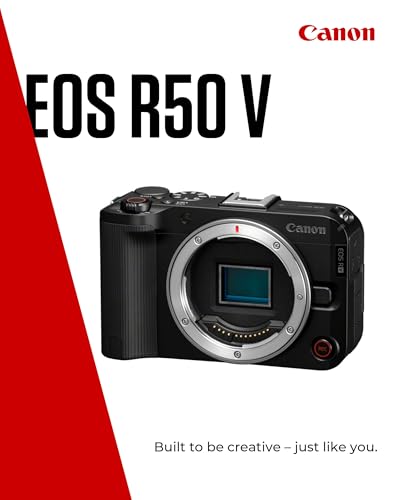
Canon EOS cameras fall into two main categories: mirrorless and DSLR. Mirrorless cameras, like the EOS R series, are generally more compact and lightweight, with faster autofocus and continuous shooting capabilities due to the absence of a mirror mechanism. They often feature advanced video capabilities and are preferred for vlogging and content creation.
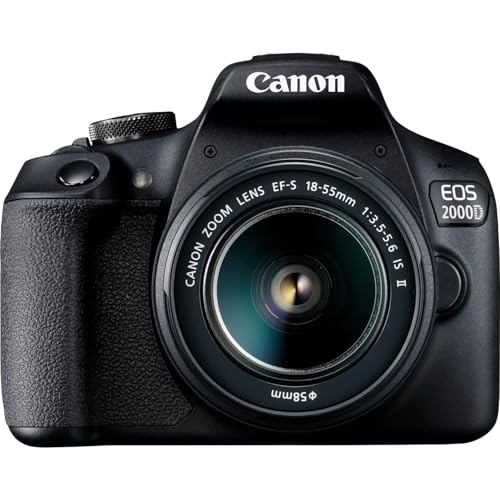
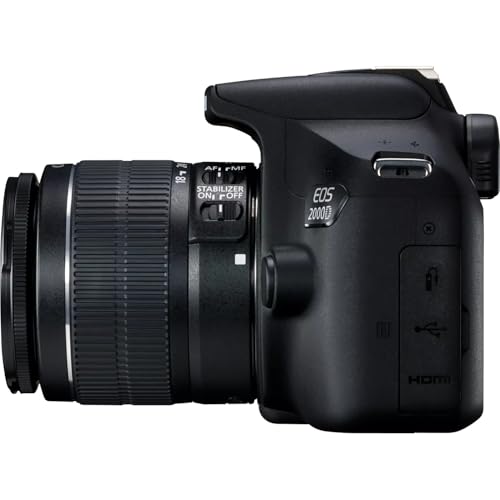
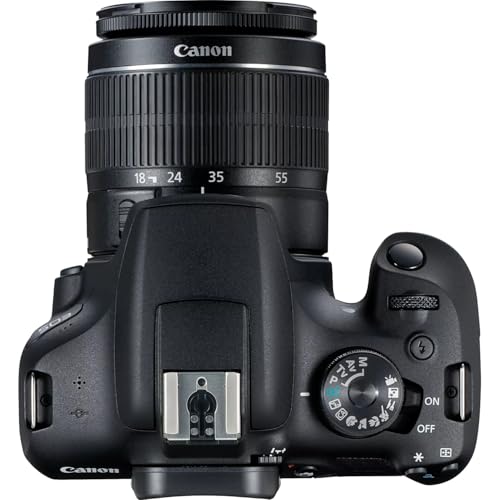
On the other hand, DSLR cameras, such as the EOS 2000D, offer a more traditional photography experience with an optical viewfinder, which some users may prefer. They typically have a longer battery life and a wider selection of compatible lenses. Consider which type aligns better with personal preferences and shooting style.
Autofocus and Shooting Speed
Autofocus performance is a critical factor, especially for action, sports, and wildlife photography. Look for models with a higher number of autofocus points, as this allows for better tracking of moving subjects. Features such as Eye Detection AF can enhance portrait photography by ensuring sharp focus on the subject's eyes.
Continuous shooting speed is another aspect to consider. For capturing fast action, a camera capable of higher frames per second (fps) will be beneficial. This is particularly important in scenarios where timing is crucial, such as sports events or wildlife in motion.
Lens Compatibility and Accessories
Lens compatibility is significant when choosing a Canon EOS camera. The RF lens mount on newer mirrorless models supports a growing range of lenses specifically designed for these cameras. Additionally, many users may want to consider purchasing telephoto or zoom lenses for versatility in different shooting scenarios.
For those interested in content creation, cameras that come with kit lenses, such as the RF-S 18-150mm or RF-S 18-45mm, provide a good starting point. It may also be worth exploring additional accessories like tripods, external flashes, and stabilisers to enhance photographic capabilities.
Footnotes
* Terms such as "best" and similar expressions reflect our personal assessment.
** Prices and availability may have changed since they were last retrieved. The price shown by the seller at the time of purchase applies.
Further important information
We may receive a commission if you make a purchase via the links on our site. This has no impact on the placement of the products on our site. Our website is part of amazon associates program - Amazon, Amazon Prime, the Amazon Logo and Amazon Prime Logo are registered trademarks of Amazon, Inc. or its affiliates. Disclaimer: